

25/06/2026 0 Comments
Already Held
Already Held
# Reflecting on the Scriptures
Already Held
Our readings this week are 1 John 2:1-6 and Matthew 10.40–end. If you've been paying attention, you may have noticed we've drifted a little from the set readings through the last few weeks - and we'll be doing the same going ahead. As Ordinary Time opens up before us, I've taken the liberty of giving a bit more space to the letters of St. John. Not least because they are up there amongst my favourite parts of scripture.
That's because they contain incredibly dense things like this: "he is the atoning sacrifice for our sins, and not for ours only but also for the sins of the whole world."
The focus of the church has been on the first half of this verse. A sad side-effect has been the emergence of a caricature of our faith: salvation is found by the few select individual 'sinners', who have managed to appease an angry and judgemental God, through snivelling and grovelling 'repentance'; whilst the far greater majority get burned and tortured for all of eternity for telling the odd white lie, or taking home a company pencil from the office.
John invites us to see something a little bit bigger, a little bit more generous, and, dare I say it, a little bit more loving.
Let's start instead from the second half of just that one verse. We're invited to view God's love as something not just 'for us', but for 'the whole world'. There is literally nothing in all creation - and therefore no one - that has not been included in this incredible act of grace, forgiveness through God's self-sacrifice. There is no us and them.
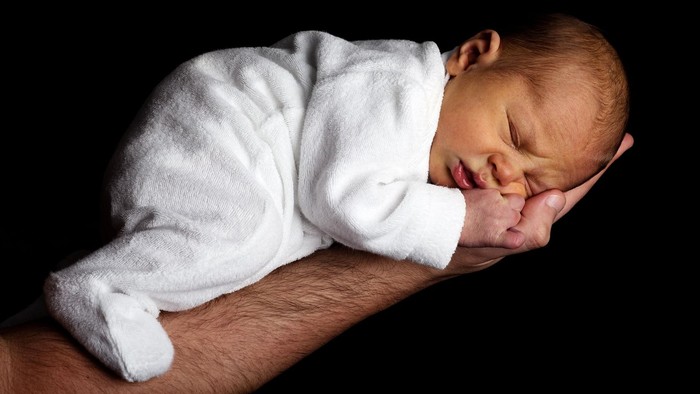
And it's not even that He did it for a perfect world, nor a repentant world. The world John is writing about is the world that we live in - complete with wars, injustice, persecution, hatred and all the rest of the rubbish conflated into that word 'sin'. And this verse invites us to see it held already, even as it is, in forgiveness and love. It's not waiting to be earned or accepted, because it has already been earned and granted through Christ's love and sacrifice.
But that forgiveness does need to be realised. As the rest of this little snippet suggests, wouldn't we all be so much better off if we recognised the sins that still surround us for what they are, and called them out? By naming them honestly as 'sins', and more specifically as sins that have been forgiven, we change how we interact with them. We don't erase them, or even necessarily escape living alongside and amongst them, but we can begin to recognise them as belonging to our past, and not to our future. That, in turn, challenges us to behave accordingly. To behave, in fact, like the one who has done the forgiving: with generosity, with care, and passion, and - above all - with love towards the seemingly unlovable.
It's a change of behaviour that comes from discovering ourselves already held in forgiveness, not from attempting to earn it.
John's letters reveal to us a God who is love; and is love without bounds, who has willingly - shockingly - loved and forgiven literally everyone. Even me. Even you. And a God who believes we can do the same.

Comments