
21/05/2026 0 Comments
Pentecost
Pentecost
# Reflecting on the Scriptures
Pentecost
Our readings this week are Acts 2.1–21 and John 20.19–23.
As I mentioned above, the Acts reading is the story of Pentecost - the day on which God breathed life into his church with almost explosive intensity. A small number of believers, huddling in fear, are transformed into dynamic evangelists and preachers, and 3,000 people are converted and join the movement. To put that in perspective, that's roughly the entire population of Cayton Parish. (So, if we see a re-run, we'll be crammed in on Sunday!)
And it begins with this, 'When the day of Pentecost had come, they were all together in one place.'
That theme of togetherness just continues to build through the passage. The first gift of the Holy Spirit that enabled these few to share what they had found in Christ was the gift of language. They went out and spoke to 'Parthians, Medes, Elamites, and residents of Mesopotamia, Judea and Cappadocia, Pontus and Asia, Phrygia and Pamphylia, Egypt and the parts of Libya belonging to Cyrene, and visitors from Rome, both Jews and proselytes, Cretans and Arabs', or, as the text puts it a little earlier, people 'from every nation under heaven'!
The first act of the Spirit-filled church was to proclaim an invitation into God's love in a way that flooded over national boundaries and opened itself up to literally anyone and everyone who would listen - and God made it as easy as possible for them to do so.
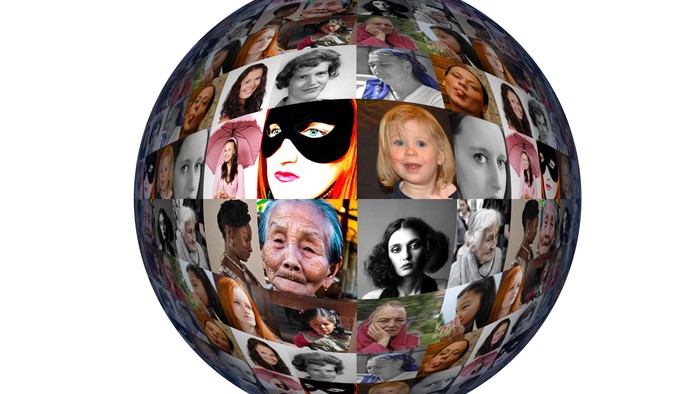
And if that's not enough, Peter, in his amazingly inclusive speech, gathers the past into the present as he reaches back to the words of the prophet Joel. He reveals the intention of God is to not only cross national boundaries, but every other kind as well, "I will pour out my Spirit," God declares, "upon all flesh"! And guess what, in the words of Joel, that includes sons and daughters, young and old, slaves, men, and women...
Time, gender, age, social position, nationality, having faith and seeking it (both Jews and proselytes!) - all of these things are recognised here as important markers of identity, as things to treasure. None of them are dismissed, or blotted out, but instead they are caught up inside something even greater: being those invited by God to enter relationship with him, to call upon his name, and find salvation.
Could our world not do with some of that today? A place, a community, in which people could be treasured for who they are, and the marvellous, incredible, intricate differences between us - held as part of our shared identity as God's children -become a cause for honour and celebration, and not division and hatred?
Maybe it's time to get back to basics.

Comments